What is the TTM Squeeze?
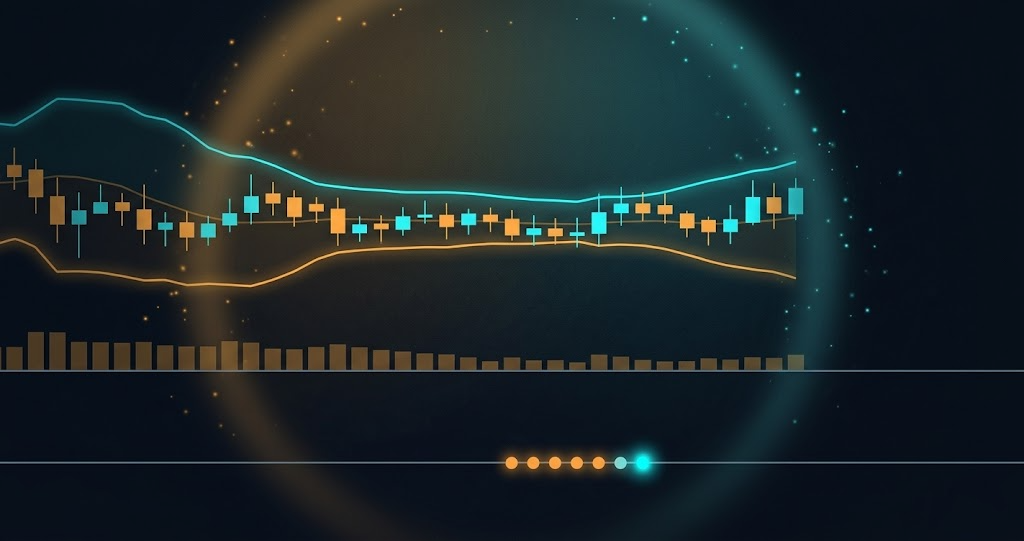
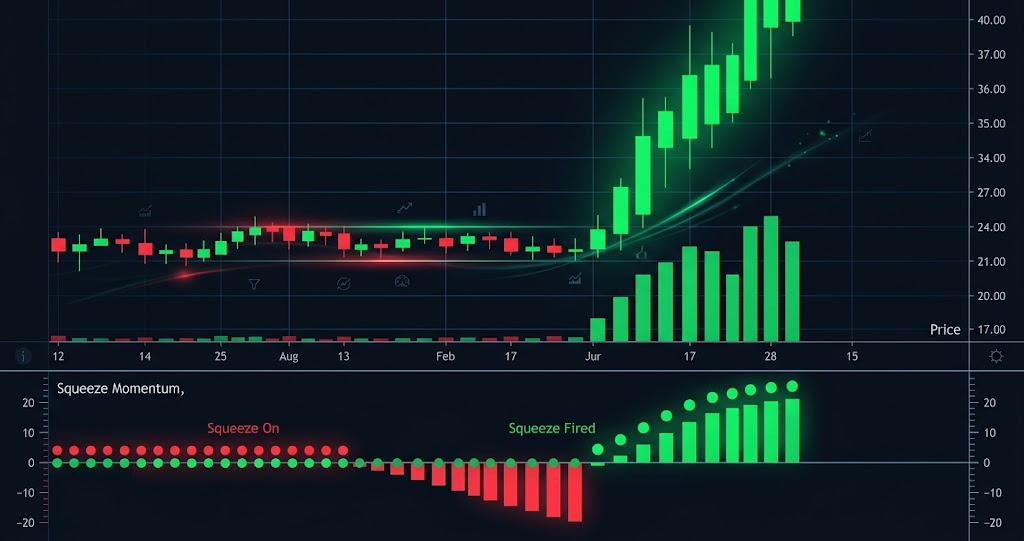
The TTM Squeeze combines Bollinger Bands and Keltner Channels to identify periods of consolidation that often precede significant breakouts. When Bollinger Bands contract inside the Keltner Channels, it signals a "squeeze" - a compression of volatility that typically resolves in a powerful directional move.
Key Components
Bollinger Bands
- 20-period moving average
- ±2 standard deviations
Keltner Channels
- 20-period EMA
- ±1.5 ATR bands
Momentum Histogram
Color-coded momentum bars indicate trend direction and strength.
Entry Criteria
For a valid TTM Squeeze setup, we require:
- Squeeze Fire: Bollinger Bands must be inside Keltner Channels
- Momentum Shift: Histogram changes from red to green (long) or green to red (short)
- Volume Confirmation: Above-average volume on the breakout bar
- Market Context: Align with broader market trend when possible
Risk Management
Never risk more than 2% of your account on any single squeeze play. Place stops below the consolidation range for longs, above for shorts. Target a minimum 2:1 reward-to-risk ratio.
Real Examples
AAPL Squeeze - January 2025
Apple formed a textbook squeeze on the daily chart in early January. The setup fired on increasing volume, and the stock moved about 12% over the following two weeks. The move is a market fact reported here for illustration — not a typical, expected or repeatable result.
TSLA Failed Squeeze
Not all squeezes work. Tesla showed a squeeze setup in late December that failed to follow through. This highlights the importance of confirmation and proper stop placement.
Common Mistakes
- Entering before the squeeze fires
- Ignoring volume confirmation
- Poor stop placement
- Oversizing positions
Conclusion
The TTM Squeeze remains one of the most reliable setups for active traders in 2025. Master the entry criteria, respect your stops, and let the big winners run.